Fragmentomics: Why Size Matters in Cancer Detection
It’s not just how much DNA is in the blood, but how long the pieces are. Learn how 'fragmentomics' allows us to spot cancer even when total DNA levels are normal.
Fragmentomics: Why Size Matters in Cancer Detection
In the early days of liquid biopsy, we focused solely on concentration: "High DNA = Bad."
Then we moved to mutation detection: "BRAF mutation = Bladder Cancer."
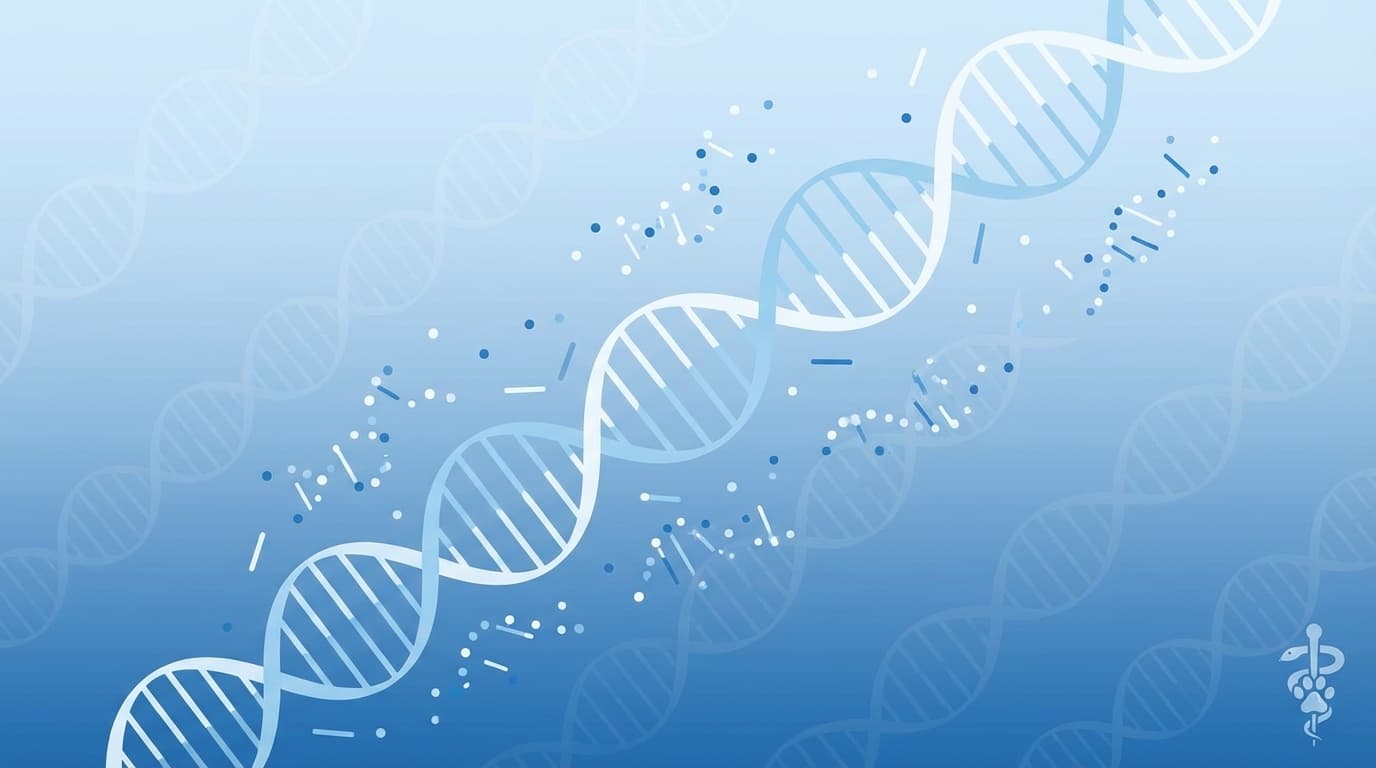
Now, we are entering the era of Fragmentomics. This approach looks not at what the DNA says, but how it looks—specifically, the physical length of the DNA strands floating in the plasma. This emerging field is adding a powerful new dimension to cancer detection that can catch malignancies that other approaches miss.
The "Beads on a String" Model: Understanding DNA Packaging
To understand why fragment sizes matter, we need to look at how DNA is packaged inside cells. This packaging creates a predictable pattern when cells die normally—and a distinctly different pattern when cancer cells die.
The Nucleosome Structure
DNA is roughly 2 meters long when stretched out, yet it must fit inside a microscopic nucleus only about 6 micrometers in diameter. To accomplish this feat of compression, DNA is wound around protein spools called histones.
Picture a thread wound around a series of beads:
- The thread is the DNA strand
- The beads are the histones
- Each bead-with-thread unit is called a nucleosome
A nucleosome consists of a core of 8 histone proteins with DNA wrapped around it approximately 1.7 times. The key measurements:
* Core DNA: The length wrapped around one nucleosome is ~147 base pairs (bp).
* Linker DNA: The little "string" connecting one nucleosome to the next adds about 20 bp.
* Total Unit: One complete nucleosome unit is approximately ~167 bp.
Why This Matters for cfDNA
When a healthy cell dies via apoptosis (programmed cell death), specialized enzymes called endonucleases are activated. These enzymes don't cut DNA randomly—they cut specifically at the vulnerable "linker" sections between nucleosomes, where the DNA is exposed and accessible.
The result is remarkably consistent: apoptotic DNA fragments released into the blood are almost exactly 167 bp long (one nucleosome unit) or 334 bp (two nucleosome units connected together). When you analyze cfDNA from healthy individuals, you see a sharp peak at 167 bp.
This is the "fingerprint" of orderly, programmed cell death.
The Cancer Shift: Shorter is Suspicious
Cancer cells are messy. They have different enzymes active, different chromatin packing patterns, and chaotic lifecycles. They often die through different mechanisms than healthy cells—sometimes necrosis, sometimes aberrant apoptosis, sometimes other pathways entirely.
Studies in both human and veterinary medicine have observed a distinct phenomenon:
Circulating Tumor DNA (ctDNA) tends to be shorter than healthy cfDNA.
| DNA Source | Typical Fragment Size | Pattern |
|------------|----------------------|----------|
| Healthy cells (apoptosis) | Peak at 167 bp | Sharp, consistent peak |
| Cancer cells | Shift toward <150 bp | Broader distribution, shorter fragments |
Why Are Cancer Fragments Shorter?
Several mechanisms may explain this shift:
1. Different Nuclease Activity: Tumor cells may have altered expression of endonucleases that cut DNA at different sites or more aggressively.
2. Chromatin Accessibility: Cancer cells often have abnormal chromatin structure, with more open, accessible regions that are susceptible to cutting.
3. Cell Death Mechanisms: Tumors frequently die through necrosis or other non-apoptotic pathways that don't produce the classic nucleosomal pattern.
4. Post-Release Degradation: Tumor DNA may be processed differently by plasma nucleases after release.
Research in dogs with hemangiosarcoma and oral melanoma (Favaro et al. 2022; Tagawa et al. 2023) has confirmed this "leftward shift" in fragment size distribution, validating the phenomenon in veterinary patients.
The DNA Integrity Index (DII): Quantifying the Shift
We can quantify the fragment size distribution using a metric called the DNA Integrity Index (DII).
How DII Works
* Basic Calculation: DII = Ratio of Long Fragments to Short Fragments
* Measurement Method: PCR primers targeting different fragment lengths are used. One set amplifies a short region (e.g., 100 bp), while another set amplifies a longer region (e.g., 400 bp) of the same gene.
* The Ratio: The ratio of long to short amplicons reflects the overall fragmentation pattern.
Interpretation
* High DII (more long fragments): Suggests normal apoptotic cell death. The DNA is relatively intact.
* Low DII (more short fragments): Suggests abnormal fragmentation, which can indicate malignancy.
Because tumors produce an abundance of short fragments, a low DII (indicating high fragmentation) can serve as a biomarker for cancer presence.
Why Fragmentomics Is a Game Changer
Fragmentomics adds sensitivity precisely where other methods fall short. Consider this clinical scenario:
The Small Tumor Problem
Imagine a dog with a small, early-stage melanoma in the oral cavity.
Traditional Concentration Test:
- Total cfDNA: 0.8 ng/mL (normal range)
- Interpretation: "Normal"—the tumor isn't shedding enough volume to raise the total concentration above threshold.
Mutation Detection Test:
- Looking for: Known hotspot mutations
- Result: Negative—this particular tumor doesn't have the standard mutations the test is designed to detect.
Fragmentomics Analysis:
- Total amount: Normal
- Fragment size profile: Abnormal—the proportion of tiny <150 bp fragments is significantly higher than expected
- Interpretation: Suspicious for malignancy despite normal total cfDNA and no detected mutations
This is the power of fragmentomics: it can flag cancer cases that slip through the cracks of concentration and mutation testing.
Practical Applications in Veterinary Medicine
Cancer Screening in High-Risk Breeds
For breeds with high cancer prevalence (Golden Retrievers, Boxers, Bernese Mountain Dogs), fragmentomics could serve as an additional layer of screening. A shift in the fragment size profile during routine wellness testing might prompt earlier investigation.
Treatment Monitoring
During chemotherapy, fragment size patterns can change:
- Effective treatment may cause a temporary shift toward shorter fragments (as tumor cells die en masse)
- Followed by normalization of the pattern as tumor burden decreases
- A return to abnormal patterns during treatment might suggest resistance or recurrence
Complementing Other Biomarkers
Fragmentomics works best as part of a multi-modal approach:
- Total cfDNA concentration (how much)
- Mutation analysis (what's in it)
- Fragment size analysis (what does it look like)
- Methylation patterns (where did it come from)
Each layer adds sensitivity and specificity to the overall picture.
Limitations to Understand
Fragmentomics is powerful but not perfect:
* Not Cancer-Specific: Short fragments can also occur in non-cancer conditions with abnormal cell death, such as severe inflammation or acute tissue injury.
* Technical Requirements: Accurate fragment size analysis requires precise laboratory methods—not all cfDNA assays include this component.
* Emerging Science: While promising, fragmentomics is still being validated in veterinary medicine. Reference ranges and clinical decision thresholds are still being established.
* Pre-Analytical Sensitivity: Fragment size analysis is sensitive to sample handling. Improper storage or processing can artificially shear DNA, skewing results.
The Future of Fragment Analysis
Current commercial tests are beginning to incorporate fragment size analysis into their algorithms. In the near future, you might see a lab report that says:
> "Total cfDNA: Normal (0.9 ng/mL). Genomic Mutations: None detected. Fragment Profile: Abnormal (elevated short fragment ratio). Clinical Interpretation: Findings suggestive of occult malignancy. Recommend imaging and follow-up testing."
This nuanced reporting—acknowledging what we know and don't know, combining multiple analytic approaches—represents the future of veterinary liquid biopsy. Fragmentomics is one piece of that puzzle, adding a layer of sensitivity that can catch cancers that other methods miss.