cfDNA 101: The Biology of the 'Liquid Biopsy' in Veterinary Medicine
A deep dive into the origins of cell-free DNA—apoptosis, necrosis, and NETosis—and why this 'real-time' biomarker is revolutionizing veterinary diagnostics.
cfDNA 101: The Biology of the "Liquid Biopsy"
In the last decade, human oncology has been transformed by the "liquid biopsy"—a non-invasive blood test that can detect cancer, monitor treatment, and predict relapse long before traditional imaging. Now, this technology is accelerating into veterinary medicine. But to use it effectively, we must first understand what we are measuring.
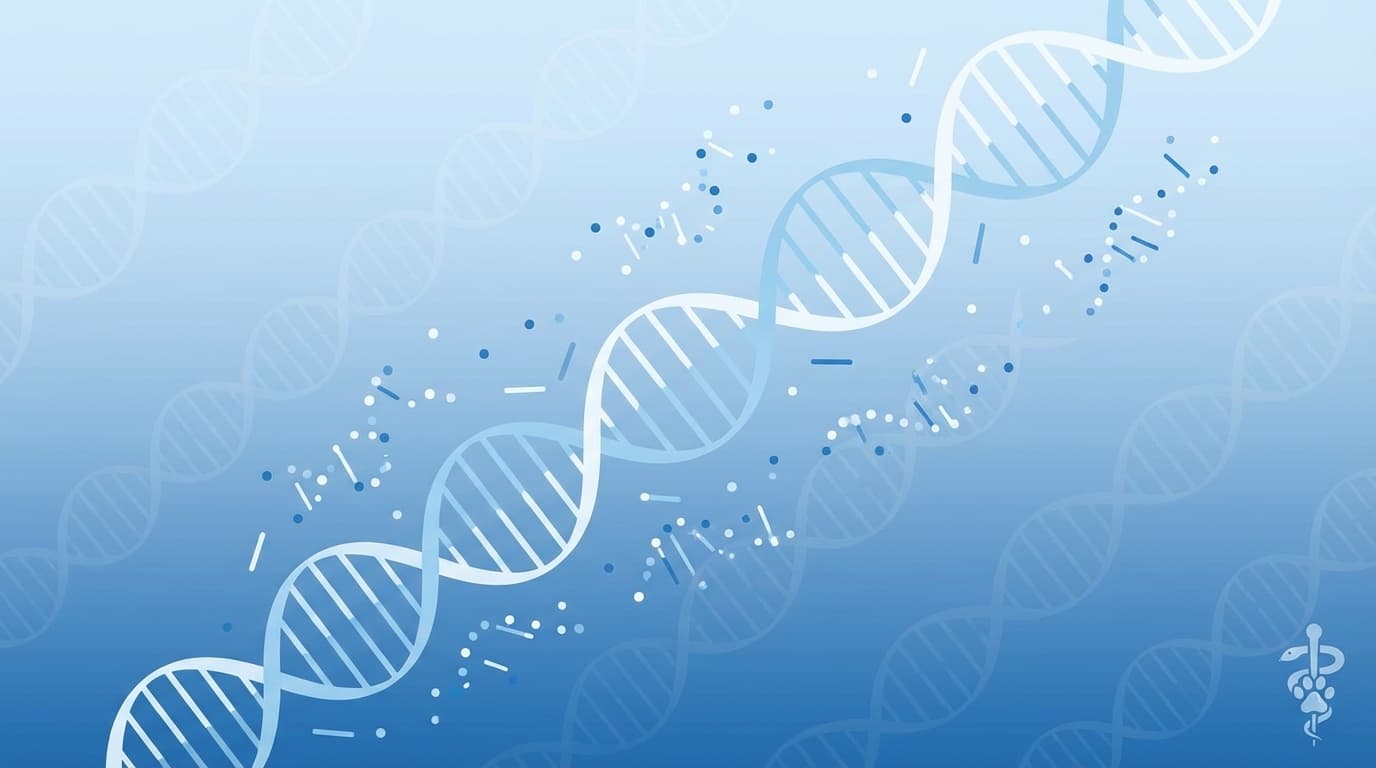
Circulating cell-free DNA (cfDNA) refers to short, fragmented segments of DNA found floating in the bloodstream, outside of any cell. While it is easy to think of DNA as the static instruction manual locked inside the nucleus, cfDNA is a dynamic, rapidly changing signal of cellular health and death.
What Exactly Is cfDNA?
To understand cfDNA, picture the billions of cells in your patient's body. Each cell contains a complete copy of the genome—roughly 2.4 billion base pairs of DNA in dogs. Under normal circumstances, this DNA stays safely packaged inside the cell nucleus. However, when cells die—whether through normal turnover, disease, or injury—their contents spill into the surrounding tissue and eventually into the bloodstream.
The DNA that ends up circulating freely in the plasma is what we call "cell-free DNA." It is not floating as long, intact chromosomes. Instead, it exists as short fragments, typically between 150 and 200 base pairs long, wrapped around protein cores. Think of it as biological debris—the remnants of cellular death that the body is actively working to clear.
Where Does cfDNA Come From?
In a healthy dog or cat, cfDNA is present at very low baseline levels (typically 0.5–1.2 ng/mL), resulting from the normal turnover of hematopoietic cells (like white blood cells) and the lining of the gastrointestinal tract. However, when disease strikes, the landscape changes.
There are three primary biological mechanisms that release DNA into circulation, and understanding the difference is key to interpreting clinical results:
1. Apoptosis (Programmed Cell Death)
Apoptosis is the body's tidy, organized way of recycling old or damaged cells. Think of it as a controlled demolition versus an explosion. During apoptosis, enzymes systematically cut the genomic DNA into regular, bite-sized pieces. These pieces correspond to the length of DNA wrapped around a nucleosome (the protein spool that packages DNA).* The Signature: Apoptotic DNA appears as a characteristic "ladder" of fragments, mostly around 160–170 base pairs (bp) in length.
* Clinical Context: This is the dominant source of background cfDNA in healthy animals. It is also the mechanism by which some chemotherapy drugs kill tumor cells, potentially causing a transient spike in "healthy-looking" fragments during treatment.
* Why It Matters: When you see a modest elevation in cfDNA with a normal fragment pattern, you might be looking at increased cellular turnover rather than aggressive disease.
2. Necrosis (Traumatic Cell Death)
Necrosis is chaotic. It occurs when cells die due to external injury, lack of blood supply (ischemia), or when a rapidly growing tumor outstrips its own vasculature. Unlike the precise cutting of apoptosis, necrosis results in the random rupture of cells. Imagine a water balloon popping versus slowly deflating—the contents spray everywhere in an uncontrolled manner.* The Signature: Necrotic DNA is often larger and more irregular. It does not show the neat 167-bp peak seen in apoptosis.
Clinical Context: We see necrotic cfDNA in aggressive, fast-growing malignancies (like hemangiosarcoma or osteosarcoma), but also in non-cancerous emergencies like Gastric Dilatation-Volvulus (GDV), severe trauma, or splenic torsion. This is why total cfDNA is a marker of injury*, not just cancer.
* Practical Tip: A very high cfDNA level with irregular fragment sizes should prompt you to think about acute tissue destruction—whether from a tumor, an accident, or an ischemic event.
3. NETosis (Immune Defense)
This is perhaps the most fascinating source. Neutrophils, the first responders of the immune system, can undergo a suicide mission called NETosis. They eject their own DNA into the bloodstream to form Neutrophil Extracellular Traps (NETs)—sticky webs of chromatin decorated with antimicrobial enzymes designed to catch bacteria.* The Signature: NETs are massive complexes of DNA and histones.
* Clinical Context: NETosis is a massive driver of high cfDNA in sepsis and immune-mediated diseases like IMHA. In these cases, the high DNA load can actually promote thrombosis (clotting), linking inflammation to coagulation risks.
* The Clinical Implication: When you have a patient with sepsis or IMHA and see sky-high cfDNA, those DNA webs are not just a byproduct—they are actively contributing to the disease by promoting clot formation.
The "Real-Time" Biomarker
Unlike antibodies, which can linger in the blood for months, or proteins like albumin that have long half-lives, cfDNA is incredibly transient. Studies suggest the half-life of cfDNA in circulation is on the order of minutes to hours (typically <2 hours).
It is actively cleared by the liver and kidneys and digested by plasma enzymes called nucleases (DNase). This rapid turnover is its superpower.
If cfDNA is high: It means significant cell death is happening right now*.
* If cfDNA drops: It means the source of the damage has stopped.
For example, if a surgeon removes a splenic hemangiosarcoma, the tumor-specific DNA (ctDNA) should vanish from the blood within 24 to 48 hours. If you test the dog three days later and the levels are still high, it implies the surgery did not get it all—there are likely occult metastases shedding DNA elsewhere.
Practical Applications in the Clinic
Understanding these fundamentals opens up several practical applications:
Cancer Screening: In high-risk breeds or older patients, baseline cfDNA levels can be established during wellness visits. A rising trend over time, even within the "normal" range, warrants closer investigation.
Post-Surgical Monitoring: The rapid clearance means you can check whether a tumor removal was complete. A persistent elevation 10-14 days post-surgery suggests residual disease.
Critical Care Triage: In the ER, cfDNA levels can help quantify the severity of trauma or sepsis, providing an objective measure of how much tissue damage has occurred.
Treatment Response: During chemotherapy, tracking cfDNA can show whether the treatment is working faster than waiting for tumor shrinkage on imaging.
Frequently Asked Questions
Q: Does every animal have some cfDNA?
A: Yes. Even completely healthy animals have measurable cfDNA from normal cell turnover. The key is establishing what "normal" looks like and watching for deviations.
Q: Can cfDNA tell me what type of cancer my patient has?
A: Total cfDNA concentration alone cannot. However, advanced tests that sequence the DNA can look for tumor-specific mutations or methylation patterns that point to specific cancer types.
Q: How is cfDNA different from a tissue biopsy?
A: A tissue biopsy samples one location. cfDNA represents DNA shed from all sources in the body, providing a more systemic picture—but without the histological detail of a tissue sample.
Conclusion
cfDNA is not just a "cancer test." It is a fundamental measure of cellular integrity. Whether released by a dying tumor, an ischemic stomach, or an exploding neutrophil, elevated cfDNA tells us that the body is under attack. The challenge—and the art—of veterinary liquid biopsy lies in distinguishing these sources to guide clinical decisions.
(References: Letendre & Goggs 2017/2018; Tagawa et al. 2019; Kim et al. 2021)